Physical Address
304 North Cardinal St.
Dorchester Center, MA 02124
Physical Address
304 North Cardinal St.
Dorchester Center, MA 02124

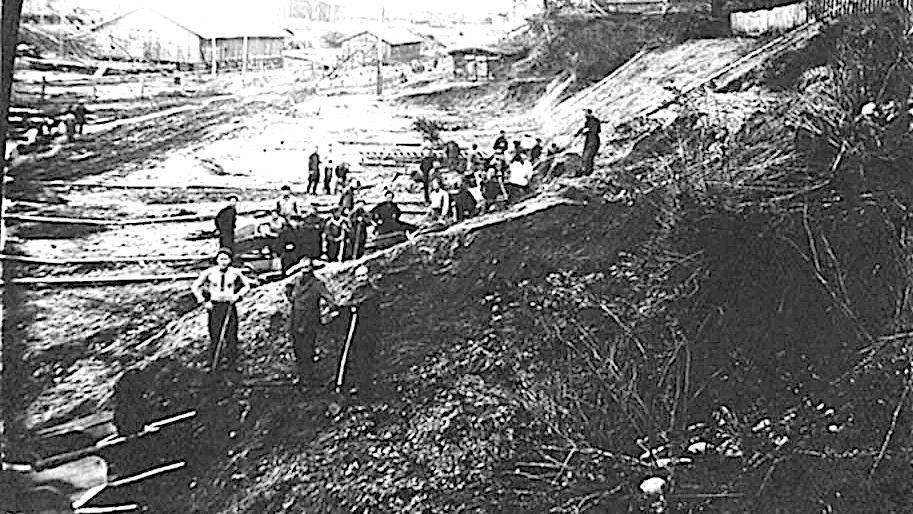
In the resolution “On the results of verifying the state of work on the economic arrangement of labor migrants in Alexandrovsky district,” punishment was determined for the guilty: Commandant Tsepkov received a strict reprimand with warning, three district-level workers in Alexandrovo settlement responsible for resettling labor settlers received reprimands, and the district prosecutor was obliged to conduct a “thorough investigation”.
Many guilty parties were punished and sentenced to prison terms from one to three years, but of course in ordinary prisons, not in the GULAG. OGPU authorities subsequently identified, arrested, and convicted those guilty of cannibalism (11 people).
The numbers are staggering. Hunger, disease, and escape attempts reduced the number of living over thirteen weeks from about 6,100 people to 2,200 people. The evacuation was completed in August 1933, with 2,856 people surviving on the island in the middle of the Ob.
Out of 6,100 people who left Tomsk plus another 500-600-700 people (exact numbers couldn’t be established) transferred to Nazino sites from other commandants, by August 20 only 2,200 people remained. “All this, especially the island, left an indelible mark on all labor settlers,” the report stated.
As a result, large-scale plans to deport groups of people classified as “dangerous” and “asocial” to special settlements for developing uninhabited and most severe territories of the USSR were stopped.
French historian Nicolas Werth noted: “What happened on Nazino Island is hard to believe. But we have unprecedentedly detailed documents that allow us to tell about these long-silenced events. The tragedy is that those who died on the island represent only 1% of those who died that year from hunger. There were far more episodes similar to Nazino that we simply don’t know about”.

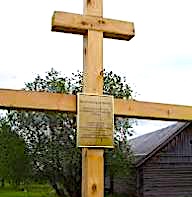
Among local residents, Nazino Island received the name “Death-Island.” In the 1990s, an expedition from the Tomsk branch of the Memorial society installed a memorial cross on the island. In 1989, activists from Tomsk society “Memorial” conducted “passportization” of Nazino Island – data about this place was entered into the registers of the Ministry of Culture, and since then the island has been an object of historical heritage of Russia.
The Nazino Tragedy remains one of the darkest pages in Soviet history – a symbol of the senseless cruelty of the GULAG system, where bureaucratic incompetence, indifference to human life, and the inhumanity of the Stalinist regime combined to create a hell on earth.