Physical Address
304 North Cardinal St.
Dorchester Center, MA 02124
Physical Address
304 North Cardinal St.
Dorchester Center, MA 02124

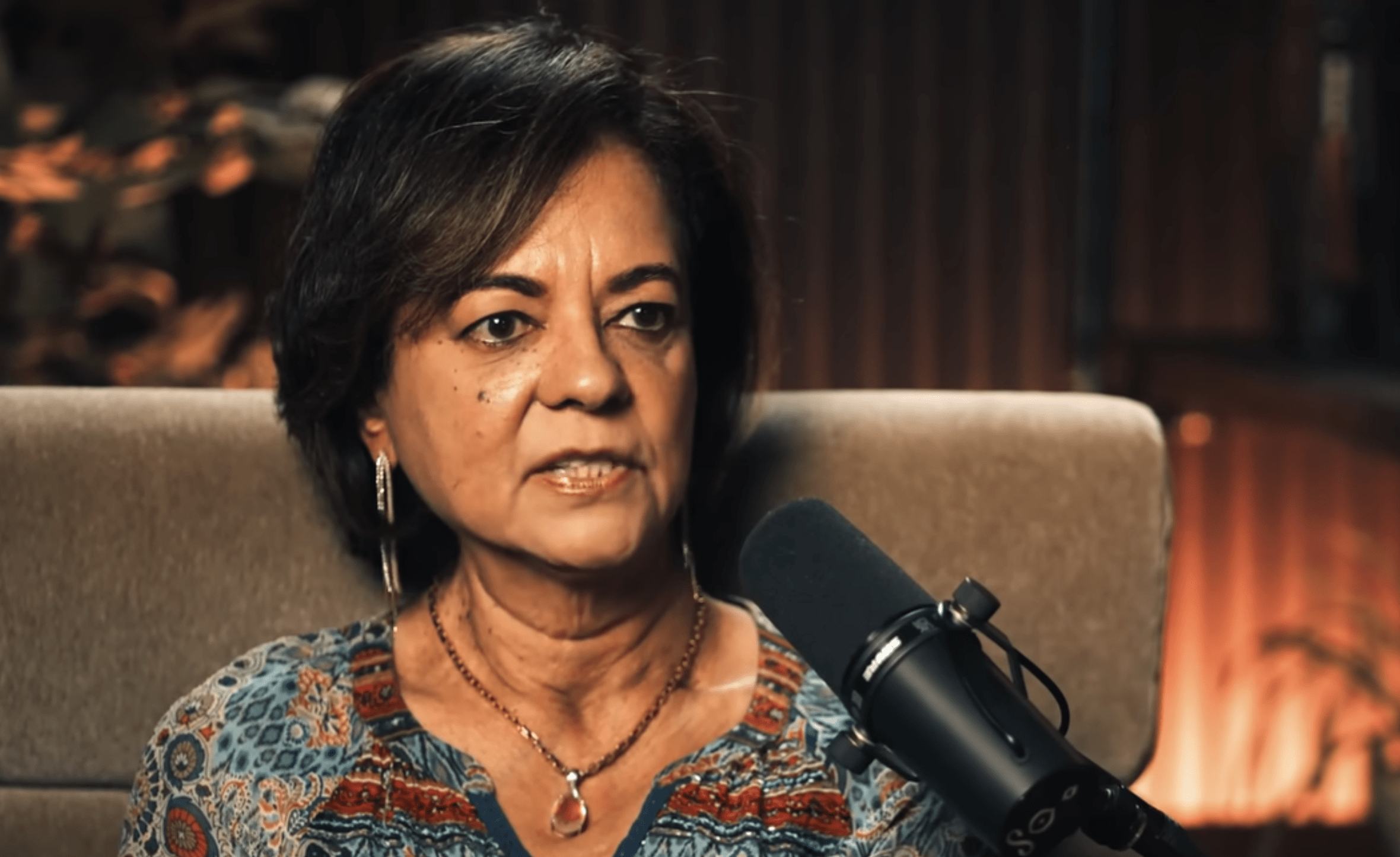
On February 2, 2006, Anita Moorjani lay dying in a Hong Kong hospital. Her body, ravaged by end-stage lymphoma, weighed just 85 pounds. Tumors the size of golf balls covered her body from the base of her skull to her abdomen. Her organs were failing, and doctors gave her family the grim prognosis: she had hours, perhaps less, to live. Yet what happened next would challenge our understanding of consciousness, death, and the nature of reality itself.
During a 36-hour coma, Moorjani experienced what she describes as a profound journey beyond the physical realm—one that would not only save her life but transform her understanding of human existence. Within weeks of awakening from her coma, her cancer vanished completely, leaving her doctors baffled and the medical community searching for explanations. Her subsequent book, ‘Dying to Be Me,’ became a New York Times bestseller and resonated with millions worldwide who recognized something deeply familiar in her extraordinary account.
This article explores Moorjani’s near-death experience in depth, examining the core insights she brought back from the other side and connecting them to a rich tapestry of similar experiences and beliefs spanning centuries. From modern near-death experiencers to 18th-century mystics, we discover a remarkably consistent message: that consciousness survives death, that we are fundamentally beings of love, and that our earthly existence is but one chapter in an eternal journey.
This exploration of Moorjani’s experience provides insights into what may lie in the after life, urging us to reflect on our own beliefs about existence beyond the physical.
The insights from Anita Moorjani’s experience challenge us to consider the after life and what it may reveal about our own existence.
Born in Singapore to Indian parents and raised in Hong Kong, Anita Moorjani lived a life marked by cultural complexity and inner conflict. Growing up at the intersection of British education, Chinese society, and Indian tradition, she became what she describes as a ‘people pleaser’—someone painfully shy, conflict-avoidant, and constantly seeking approval from others. Her culture taught her that a woman’s worth was measured by her value to the men in her community, discouraging independence and self-expression.
This repression of her authentic self came to a head when she ran away from an arranged marriage just three days before the wedding, bringing shame to her family but choosing freedom over expectation. Yet even after marrying for love, Moorjani continued to suppress her true voice and desires, living in fear of disapproval and striving to meet others’ expectations.
When her best friend was diagnosed with aggressive cancer in 2001, Moorjani devoted herself entirely to caregiving, putting her own life completely on hold. Simultaneously watching her husband’s brother-in-law battle the same disease, she developed an overwhelming fear of cancer. Ironically, even as she ate only organic raw vegan food, took massive quantities of supplements, and did everything she could to prevent the disease, she was diagnosed with lymphoma in 2002.
Looking back, Moorjani recognizes that her illness wasn’t purely physical—it was the manifestation of years of self-denial, fear, and living inauthentically. As she would later understand during her near-death experience, ‘the cancer wasn’t some punishment for anything I’d done wrong, nor was I experiencing negative karma… it was the culmination of every decision, every choice, and every thought’ that had led her to that point.
By early 2006, Moorjani’s condition had deteriorated catastrophically. Unable to walk, unable to hold up her head, her lungs filled with fluid that required regular draining, her skin covered with open lesions, she was a shadow of herself. On February 2nd, she slipped into a coma as her organs began shutting down.
What happened next defied conventional medical and scientific understanding. Moorjani found herself suddenly free from her ravaged body, experiencing an expanded state of consciousness that she describes as ‘incredible’—better than anything she had ever felt in her physical life. Though her eyes were closed and her body comatose, she was acutely aware of everything happening around her with what she calls ‘360-degree peripheral vision.’
She could see doctors discussing her case in a hallway 40 feet away. She was aware of her brother boarding a plane in India, rushing to reach her before she died. She felt enveloped by what she can only describe as unconditional love—a love so profound and complete that our earthly language fails to capture its essence. There was no judgment, no fear, only pure acceptance and understanding.
In this expanded state, Moorjani encountered deceased loved ones, including her father and her best friend who had died of cancer. She expected judgment from her father for the shame she had brought to the family, but instead received only pure, unconditional love and complete understanding. She realized that when we die, we leave behind not just our physical bodies, but our culture, religion, beliefs, and all accumulated baggage. What crosses over is pure consciousness—pure love.
Most importantly, she understood with crystal clarity why she had developed cancer. It wasn’t a punishment or bad karma, but the natural result of a lifetime of self-denial, fear, and repression. She saw how every choice, every suppressed desire, every moment of living inauthentically had contributed to her illness. And with this understanding came a profound revelation: now that she knew the cause, her body would heal rapidly if she chose to return.
She was given a choice—to stay in this realm of pure love and peace, or return to her suffering body. The deciding factor was understanding that she had a purpose yet to fulfill, and that her husband Danny’s purpose was intricately linked with her own. Her father’s final words to her were simple but transformative: ‘Go back and live your life fearlessly.’ Remarkably, it was the same father who had instilled fear in her during life who, in death, set her free from it.
When Moorjani’s eyes opened, her family thought she was delirious. She immediately addressed a doctor she had never met before by name—Dr. Chan, whom she had ‘seen’ while in her coma. She recounted conversations that had taken place down the hallway, far from her hospital room, conversations her husband confirmed had occurred exactly as she described.
More astonishing was what happened to her body. Test results showed her kidneys were functioning, contrary to doctors’ expectations. Her tumors began shrinking at an unprecedented rate—60-70% reduction within just four to five days. The fluid that had been accumulating in her lungs never returned. Within three weeks, doctors could find virtually no trace of cancer in her body. After five weeks, she was released from the hospital, cancer-free.
Her oncologist, Dr. Brian Walker, who witnessed her deteriorated state before the coma and her remarkable recovery after, later visited her and researcher Dr. Bruce Greyson to discuss this medically documented case. Dr. Walker admitted he didn’t know what to write in her medical records, making a gesture of throwing them in the trash, so inexplicable was her recovery.
Perhaps the most profound realization Moorjani experienced was understanding the true nature of God and our relationship to the divine. Before her near-death experience, she had believed God was a being separate from us, existing ‘out there’ somewhere. In the expanded state of consciousness beyond death, she realized something revolutionary: ‘God isn’t a being, but a state of being… and I was now in that state of being.’
She understood that we are not separate from God but are facets of God—individualized expressions of the divine experiencing itself through countless perspectives. Like drops in an infinite ocean, we are both distinct and inseparable from the whole. This means that every person, regardless of their beliefs, culture, or religion, is equally an expression of the divine.
This revelation transformed how Moorjani saw herself. Looking in the mirror days after her near-death experience, she saw her gaunt, bald, cancer-ravaged reflection and cried—not from vanity, but because for the first time in her life, she saw God in her own eyes. She realized she didn’t need anyone’s approval because she, like everyone else, was a divine expression worthy of love simply by virtue of existing.
Throughout her near-death experience, Moorjani emphasizes the overwhelming presence of unconditional love—a love so complete and powerful that it defies description. This wasn’t a love she had to earn or prove herself worthy of receiving. It simply was, enveloping her entirely, accepting her completely as she was.
This unconditional love came without judgment. Despite her fears of being judged for disappointing her father, running from her arranged marriage, and causing family shame, she experienced only acceptance and understanding. She realized that judgment is a human construct, not a divine one. The universe, at its core, is pure love that doesn’t discriminate or condemn.
This understanding fundamentally changed how she approached life. ‘It’s important to love yourself like your life depends on it,’ she now teaches, ‘because it does.’ Her cancer, she came to understand, was the physical manifestation of a lifetime of not loving herself, of denying her own needs and authentic expression in favor of pleasing others.
To explain the dramatic expansion of consciousness she experienced, Moorjani uses a powerful analogy. Imagine navigating through life with just a small flashlight in complete darkness. All you can see is what falls within that narrow beam of light. Everything outside that beam is pure darkness, unknowable, seemingly non-existent.
Then suddenly, massive floodlights illuminate the entire space, and you realize you’re in an enormous warehouse filled with towering shelves containing infinite possibilities—experiences, colors, items, places, even lives you never knew existed. You’ve seen a few things here and there when your flashlight happened to shine on them, but now you realize there is vastly more than you ever imagined.
Even when the lights go back off and you’re left with just your flashlight again, you now know that everything else still exists. Your awareness—the flashlight—may be limited, but reality is not. The warehouse represents the totality of existence, while our normal waking consciousness is that small flashlight beam, perceiving only a tiny fraction of what is.
This metaphor explains why Moorjani emerged from her experience with such conviction about consciousness beyond death and infinite possibilities beyond our ordinary perception. She had experienced the warehouse with the lights on. She could never again believe that the flashlight’s limited view represented all of reality.
One of Moorjani’s most important insights concerns the true nature of illness. She came to understand that illness is not primarily a physical problem but an energetic, emotional, and spiritual one. Disease begins on the energetic level before manifesting physically in the body.
She describes how living inauthentically, suppressing one’s true self, and operating from fear rather than love causes our energetic field to contract and shrink. When we repeatedly say yes to things we want to say no to, when we deny our own needs and desires, when we live in constant fear of judgment or disapproval, our energy field becomes smaller and smaller. Eventually, this energetic imbalance manifests as physical illness.
Conversely, when we love ourselves, live authentically, and make choices from a place of joy rather than fear, our energy field expands. Moorjani now teaches people to check in with their energy state: How big is your auric field right now? Does being in this situation, with these people, doing this activity make your energy expand or contract? These are vital diagnostic tools for maintaining not just mental and emotional health, but physical health as well.
This doesn’t mean we consciously choose illness, Moorjani emphasizes. ‘You didn’t choose it because you were doing the best you can,’ she explains. But we can take responsibility for healing by understanding what in our lives led to the imbalance and making different choices moving forward. The key is creating a life we love, living authentically, and approaching wellness from a place of self-love rather than fear of disease.
Perhaps the most practical message Moorjani brought back from her near-death experience is the imperative to live fearlessly. Her father’s final words to her—’go back and live your life fearlessly’—became her mission and her message to the world.
Living fearlessly doesn’t mean being reckless or foolhardy. It means making choices from a place of love, passion, and authentic desire rather than from fear of consequences, fear of judgment, or fear of failure. Moorjani realized that every choice in her life had been made from fear—fear of disappointing her parents, fear of not being good enough, fear of cancer, fear of death itself.
Our entire societal structure, she observes, is built on fear. Our educational system operates on fear of failure. Our medical system teaches fear of disease rather than focusing on wellness. Our political systems often divide us through fear of ‘the other.’ Even many religious systems are based on fear of punishment or not being good enough for divine love.
What if, instead, we operated from love? What if we pursued education out of passion for learning? What if we approached health from a place of loving our bodies and wanting to thrive? What if we made political choices based on love for all humanity rather than fear of different groups? This shift from fear to love, Moorjani teaches, isn’t just personally transformative—it has the potential to transform our entire world.
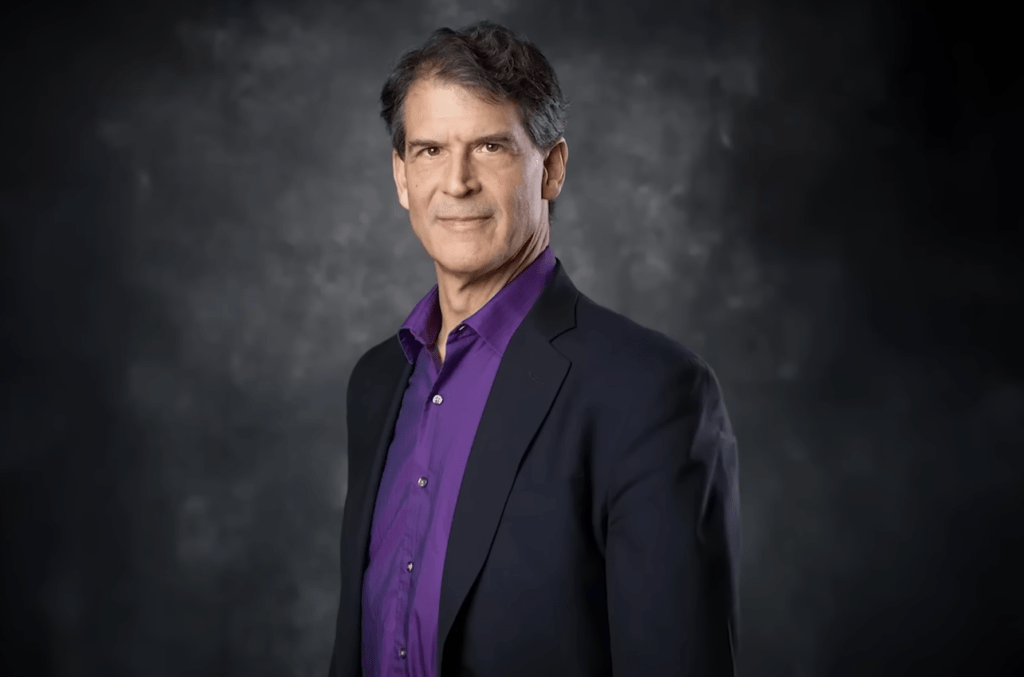
If Moorjani’s story challenges conventional thinking, Dr. Eben Alexander’s near-death experience is perhaps even more remarkable given his background as a skeptical neurosurgeon. For 25 years, Alexander had operated on brains at prestigious institutions including Harvard Medical School, the Brigham & Women’s Hospital, and Boston Children’s Hospital. He knew intimately how the brain works, and like most neuroscientists, he believed consciousness was simply a product of brain activity.
In November 2008, Alexander contracted an extremely rare case of bacterial meningitis caused by E. coli—a condition with less than a one in 10 million annual incidence. The infection attacked his neocortex, the part of the brain responsible for thought, emotion, and essentially everything that makes us human. He spent seven days in a deep coma, during which his doctors put his survival rate at less than 10%, warning his family that if he did somehow survive, he would likely require nursing home care for the rest of his life.
During this time, with his neocortex completely shut down, Alexander experienced what he describes as an extraordinary journey through spiritual realms. He began in what he calls the ‘Earthworm’s Eye View’—a primitive, murky realm—before being lifted by a spinning white light into the ‘Gateway Valley,’ filled with vibrant plant life, crystal pools, and thousands of joyous beings. He was guided by an angelic presence through increasingly transcendent realms, ultimately experiencing what he describes as the origin of all existence.
Like Moorjani, Alexander experienced overwhelming unconditional love and acceptance. He encountered what he understood to be the Divine source itself, realizing that consciousness is fundamental to the universe, not a mere byproduct of brain chemistry. This realization was particularly significant coming from someone who had spent decades studying the brain and had previously dismissed near-death experiences as hallucinations produced by dying neurons.
Alexander’s complete recovery, coupled with his detailed memories of an experience that occurred while his brain was allegedly incapable of generating consciousness, led him to write ‘Proof of Heaven,’ which became a number one New York Times bestseller. His message echoes Moorjani’s: that consciousness survives death, that we are far more than our physical bodies, and that at the core of existence is infinite, unconditional love.
Read more 👉
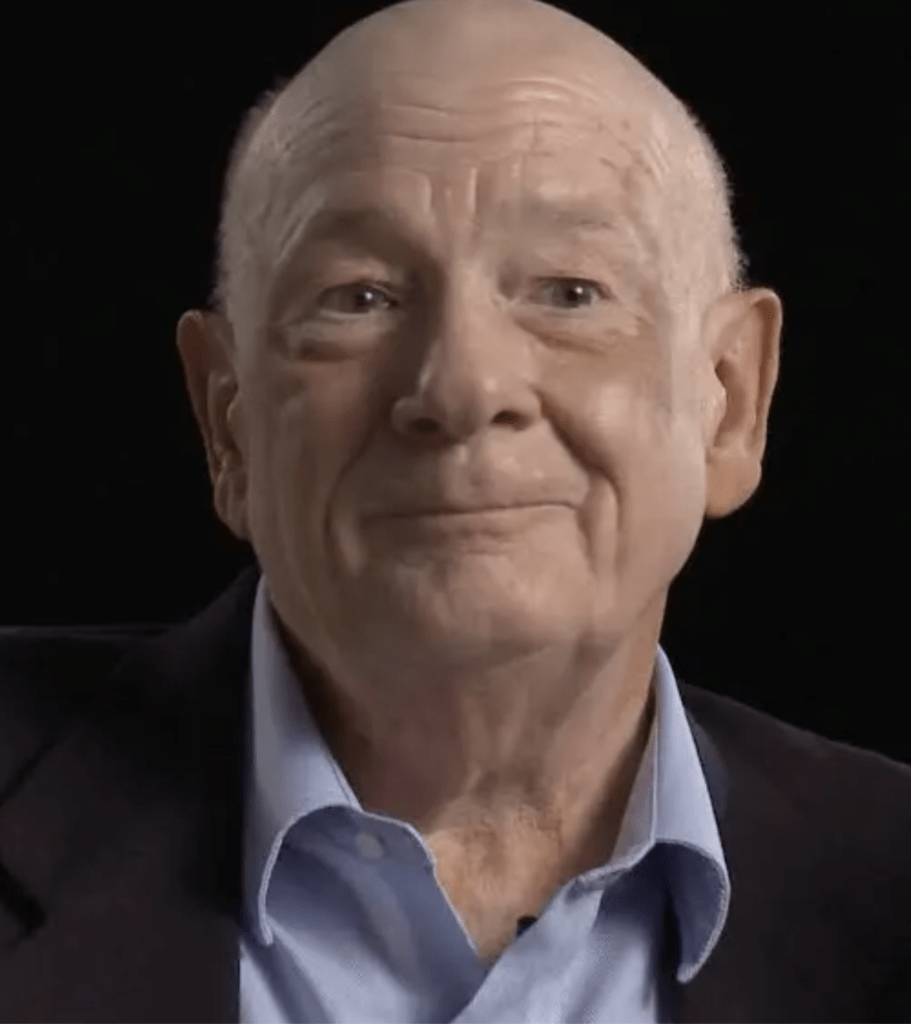
While Moorjani and Alexander’s experiences are recent, the systematic study of near-death experiences began with Dr. Raymond Moody, a psychiatrist and philosopher who revolutionized our understanding of death in 1975 with his groundbreaking book ‘Life After Life.’ Moody interviewed over 150 people who had undergone clinical death and been resuscitated, documenting remarkably consistent patterns in their experiences.
Moody identified recurring elements across near-death experiences: an overwhelming feeling of peace and wellbeing, the sensation of leaving one’s physical body, floating through darkness or a tunnel, seeing a brilliant light, encountering deceased loved ones, experiencing a life review, and feeling surrounded by unconditional love and acceptance. Importantly, these elements appeared across cultures, religions, and belief systems, suggesting they reflected something real rather than cultural conditioning.
It was Moody who coined the term ‘near-death experience’ and who first brought these phenomena to widespread public attention. His research opened the floodgates for thousands of people to come forward with their own stories, no longer fearing ridicule or disbelief. He founded what would become the modern NDE movement, transforming near-death experiences from taboo subjects whispered about in private to legitimate topics of scientific and spiritual inquiry.
In his nearly 50 years of research, Moody has interviewed over a thousand people who have had near-death experiences. His conclusion, stated plainly, is that consciousness survives bodily death. In his 2023 book ‘Proof of Life After Life,’ co-authored with Paul Perry, he presents case studies, expert interviews, and theoretical insights arguing that the evidence for consciousness beyond death is overwhelming.
Read more 👉
Like Moorjani, Moody emphasizes the transformative power of these experiences. People who have near-death experiences almost universally lose their fear of death and return with a deeper sense of life’s meaning and purpose. They report that the most important thing is love—love for ourselves, love for others, and recognizing that we are all interconnected expressions of a greater whole.
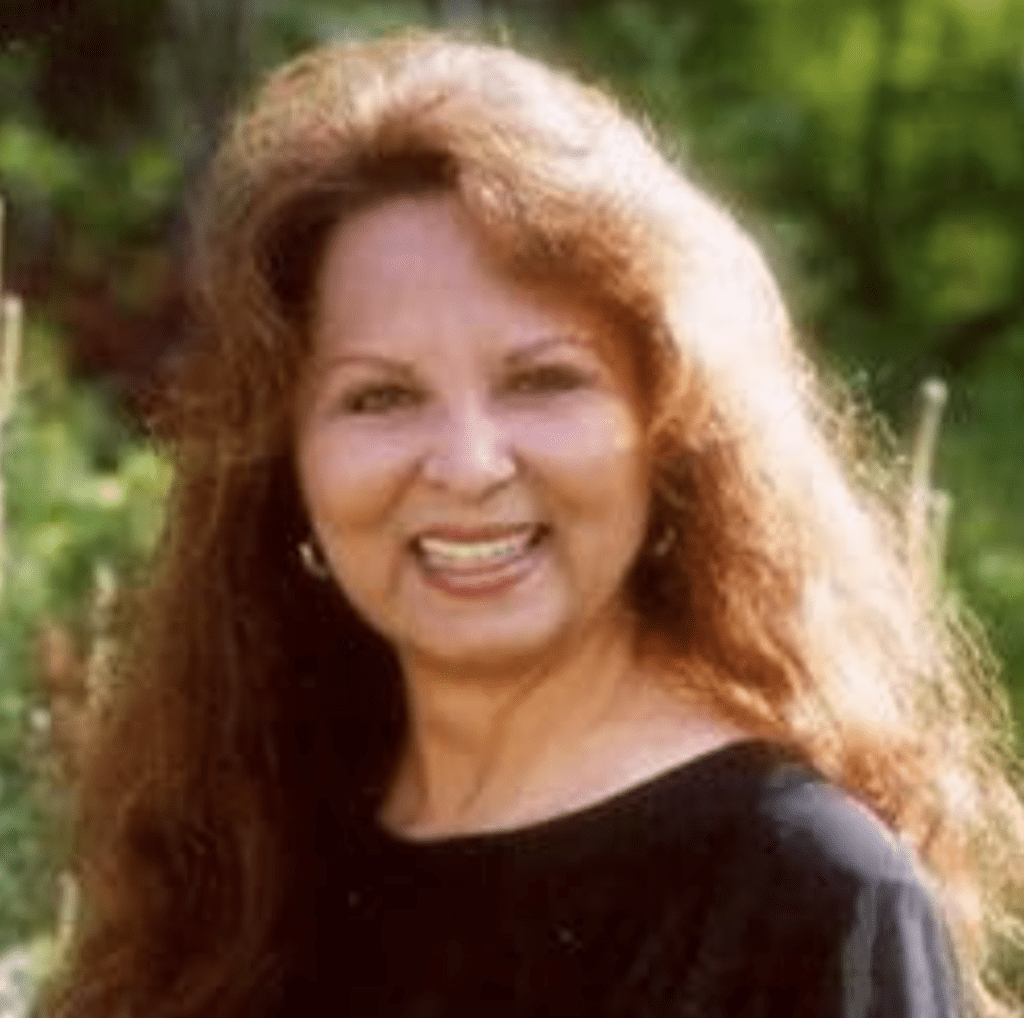
In November 1973, Betty Eadie, a 31-year-old mother of seven with Lakota Sioux and Scots-Irish heritage, died following routine surgery. What happened during the hours she was clinically dead became one of the most detailed and extensive near-death experiences ever recorded, later published in her bestselling book ‘Embraced by the Light.’
Eadie’s experience shares remarkable similarities with Moorjani’s. She felt herself drawn upward through her chest, experiencing an immediate sense of freedom. Like Moorjani, she could observe her body and the hospital scene from outside her physical form. She traveled through a dark tunnel toward an intense white light, where she met Jesus Christ and experienced what she describes as the most profound love imaginable—completely unconditional and accepting.
During her time in what she understood to be the spirit world, Eadie was shown gardens beyond earthly description, met with angelic beings, and received extensive teaching about the nature of existence. She learned that thoughts are deeds—that we are accountable for our thinking—and that love is the binding force of the universe. She understood that we come to Earth to learn specific lessons and that we are all interconnected parts of a grand tapestry.
Read more 👉
One of Eadie’s most significant insights parallels Moorjani’s understanding about illness and energy. She was taught that illness often begins on a spiritual or energetic level before manifesting physically, and that healing requires addressing these deeper dimensions, not just treating physical symptoms. She also received the message that judgment and fear have no place in the afterlife—only love, acceptance, and opportunities for continued growth and learning.
Like Moorjani, Eadie returned from her experience with a mission to share what she had learned. She spent decades collecting and evaluating thousands of near-death accounts, giving lectures and workshops about not only what awaits us after death but how to live this life more fully. Her central message: that we are here to learn to love one another, and that unconditional love is God’s greatest gift.
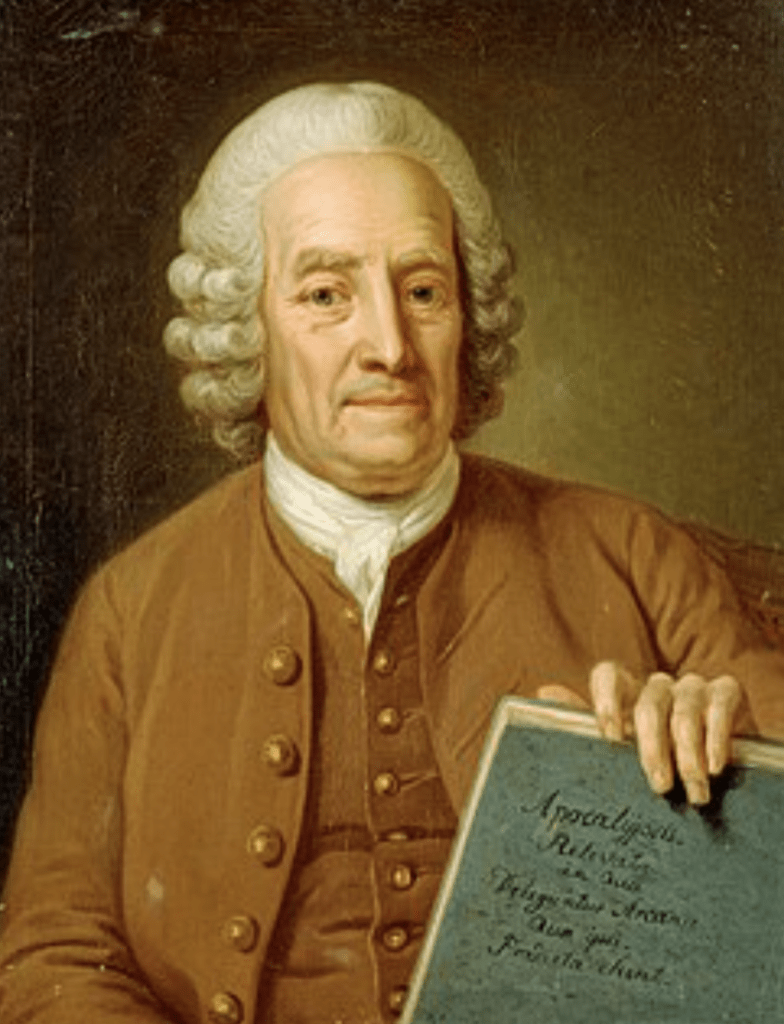
The consistency of near-death experience reports is striking, but these insights aren’t entirely modern. Two and a half centuries before Anita Moorjani’s experience, Emanuel Swedenborg, an 18th-century Swedish scientist and nobleman, reported remarkably similar encounters with the spiritual realm.
Swedenborg began his career as a respected scientist and was appointed overseer of Sweden’s mining industry by King Charles XII. He later received a seat in the Swedish House of Nobles. But between 1743 and 1745, he began experiencing visions of heaven, hell, and Jesus Christ. For the remaining decades of his life, he claimed the ability to travel freely between the physical and spiritual worlds, conversing with angels and spirits.
In his seminal work ‘Heaven and Hell,’ published in 1758, Swedenborg describes the afterlife as a continuation of one’s spiritual state rather than a radical departure. He explains that upon death, we don’t go to some distant location but rather shed the layers of physical limitation to awaken to a fuller reality that has always existed. His famous summary: ‘After death, we go to what and who we love the most.’
Swedenborg’s theology remarkably anticipates modern near-death experience reports. He describes the afterlife as a realm where spirits experience joy or suffering based on their inner lives and loves—not as punishment from God, but as natural consequences of their choices. Those who lived selfishly experience spiritual isolation, while those who cultivated love experience increasing joy and connection. Heaven and hell, he taught, are as much states of being as they are locations.
Most significantly for our purposes, Swedenborg emphasized that God’s nature is fundamentally one of love and wisdom, not judgment or control. He taught that we have far more spiritual agency than traditional religion suggests—we essentially judge ourselves by gravitating toward communities in the afterlife that match our spiritual state. Divine love is unconditional and infinite, seeking only our happiness and growth.
Read more 👉
Swedenborg’s influence has been profound, affecting thinkers from Helen Keller to William James. His vision of the afterlife as a natural continuation of spiritual development, his emphasis on divine love over divine judgment, and his understanding that we create our spiritual reality through our choices all echo powerfully in modern near-death experience accounts like Moorjani’s.
Perhaps the most fundamental insight shared across these experiences is that consciousness is not produced by the brain but exists independently of it. Eben Alexander’s experience is particularly significant in this regard—his neocortex was completely non-functional during his coma, yet he experienced what he describes as hyper-real consciousness far beyond anything his normal waking state could produce.
Moorjani describes her expanded awareness while comatose as being more acute than her normal consciousness, able to perceive events happening far from her hospital room with perfect clarity. Both Eadie and Alexander report similar heightened awareness, describing their spiritual perceptions as somehow more real, more vivid, more complete than physical sight.
This challenges the materialist assumption that consciousness is merely an emergent property of brain chemistry. If consciousness can exist and even expand when the brain is damaged or shut down, this suggests that the brain may function more like a receiver or filter of consciousness rather than its generator—much as a radio receives signals rather than creating them.
Across centuries and cultures, experiencers consistently report encountering unconditional love so profound it defies description. Moorjani felt ‘enveloped’ by it. Alexander describes being ‘held’ in absolute acceptance. Eadie titled her book ‘Embraced by the Light,’ emphasizing the encompassing nature of divine love. Swedenborg taught that God’s fundamental nature is infinite love seeking only our happiness.
This love comes without conditions, without judgment, without requirements to earn or prove worthiness. It simply is—complete, accepting, transformative. For people like Moorjani who spent their lives seeking approval and feeling unworthy, this encounter with unconditional love is often the most healing aspect of the experience.
The consistency of this report across vastly different individuals and time periods suggests something profound: that at the core of existence itself is not cold emptiness or indifferent mechanism, but warm, accepting, nurturing love. This has enormous implications for how we understand ourselves, our purpose, and our relationship with the divine.
Many near-death experiencers, including those in Moody’s research, report experiencing a life review—seeing their entire life unfold before them with complete understanding of how their actions affected others. Importantly, this review doesn’t come with external judgment but with deep self-understanding.
Moorjani understood exactly how her life choices had led to her illness. She saw with crystal clarity the connection between denying her authentic self and developing cancer. Yet this understanding came with compassion, not condemnation. The point wasn’t punishment but learning and growth.
This aligns with Swedenborg’s teaching that we essentially judge ourselves, gravitating toward spiritual communities that match who we truly are. There is no angry deity pronouncing judgment, only our own souls recognizing truth and choosing accordingly. The emphasis is always on growth, learning, and evolution rather than punishment or reward.
Another consistent theme is the understanding that we are all profoundly interconnected. Moorjani saw her life ‘intricately woven into everything’ like ‘a single strand threaded through the huge and complexly colored images of an infinite tapestry.’ She realized that her choice to live or die would affect her husband Danny’s ability to fulfill his own purpose, demonstrating how our lives are linked.
Eadie received teaching that we are all part of a grand tapestry, that harming another is ultimately harming ourselves, and that love for one another is the fundamental lesson of earthly existence. Alexander understood that at the deepest level, we are all expressions of the same divine consciousness experiencing itself through countless perspectives.
This understanding has profound ethical implications. If we are truly all interconnected facets of the same divine whole, then causing harm to others is literally harming ourselves. Conversely, showing love and compassion to others is an expression of recognizing our essential unity. This moves ethics from external rules to internal recognition of our shared being.
A message that emerges powerfully from Moorjani’s experience is the critical importance of living authentically. Her illness arose from years of suppressing her true self, denying her desires, and living according to others’ expectations rather than her own truth. The cure wasn’t just medical treatment but a fundamental reorientation toward authentic self-expression.
This teaching appears across the experiences we’ve examined. Swedenborg taught that heaven and hell are determined by what we truly love, not what we pretend to love or think we should love. Our authentic nature, our genuine loves and desires, determine our spiritual state. Trying to be something we’re not creates spiritual dissonance and suffering.
The invitation is clear: discover who you truly are, what your soul genuinely desires, what brings you authentic joy—and live from that place. Not from fear, not from should, not from seeking approval, but from genuine alignment with your deepest truth. This is what Moorjani means by ‘living fearlessly’—not being reckless, but being authentic.
If these experiences reveal truth about the nature of consciousness and death, their most immediate implication is a radical transformation of how we relate to mortality. Death need not be feared as annihilation but can be understood as a transition, a return home, a shedding of limitations rather than an ending.
This doesn’t mean we should be cavalier about death or rush toward it. Physical life is precious and purposeful. But the paralyzing fear of death that drives so many of our societal structures—our medical system’s war against death at all costs, our cultural denial of mortality, our desperate grasping at youth and immortality—all of this might relax into a healthier relationship with our finite time in physical form.
As Moorjani puts it, ‘Being dead is easier than public speaking.’ The point isn’t that death is preferable to life, but that the terror we often feel about death may be misplaced. What matters isn’t the length of our physical existence but the quality—how fully we love, how authentically we live, how much we grow and learn and serve.
Perhaps Moorjani’s most practical teaching is the necessity of self-love for health and wellbeing. Her cancer arose from self-denial and self-rejection. Her healing came through recognizing herself as worthy of love simply by virtue of existing. ‘Love yourself like your life depends on it,’ she teaches, ‘because it does.’
This challenges much of our cultural conditioning, particularly for women and those from collectivist cultures where self-sacrifice is valorized. But as Moorjani learned, denying ourselves doesn’t actually serve others—it depletes our energy and eventually manifests as illness. We can only give from fullness, not from emptiness.
This doesn’t mean selfish indulgence or narcissistic focus. It means recognizing that we are expressions of the divine, worthy of the same love and care we would give to anyone we cherish. It means listening to our energy, honoring our authentic needs and desires, creating lives we genuinely want to live rather than lives we think we should live.
Moorjani suggests a simple practice: regularly check in with your energy field. When you do certain activities, are around certain people, or make certain choices, does your energy expand or contract? This bodily wisdom can guide us toward health and away from what depletes us, long before physical symptoms appear.
The shift from fear-based to love-based living may be the most transformative teaching to emerge from these experiences. Our entire civilization, as Moorjani observes, is structured around fear. Education: fear of failure. Medicine: fear of disease. Politics: fear of enemies. Economics: fear of scarcity. Even religion often operates on fear of punishment or not being good enough.
What if we restructured everything around love instead? What if education was driven by love of learning? What if medicine focused on love of wellness rather than fear of illness? What if politics was motivated by love for all humanity rather than fear of different groups? What if economics was based on love of abundance and sharing rather than fear of scarcity?
This isn’t naive idealism but practical wisdom born from direct experience of reality’s fundamental nature. When Moorjani operated from fear—fear of cancer, fear of judgment, fear of not being good enough—she became sick. When she shifted to operating from love—love of herself, love of authentic expression, love of life—she healed.
On a personal level, this means examining our motivations. Are we making choices because we’re afraid of consequences, or because we genuinely love and want the option we’re choosing? Are we pursuing a career because we fear poverty or because we love the work? Are we maintaining a relationship because we fear being alone or because we genuinely love the person? This shift from fear to love as our primary motivator can transform every aspect of our lives.
These experiences invite us to recognize that we are not merely physical beings having occasional spiritual experiences, but spiritual beings having a physical experience. Our consciousness is not confined to our brain or body. We exist in multiple dimensions simultaneously, though our normal waking awareness perceives only a narrow band of this full reality.
Moorjani describes humanity as ‘multi-sensory beings living in a multi-dimensional reality,’ though we typically operate as if we’re only five-sensory physical beings in a three-dimensional world. This limited perception causes us to feel like victims of circumstances beyond our control, when in fact we have far more agency and connection to larger realities than we realize.
Recognizing our spiritual nature doesn’t mean abandoning the physical or becoming detached from earthly life. Rather, it means understanding that physical existence is part of a larger journey, that our material circumstances don’t define our worth, and that we have access to guidance, wisdom, and love from dimensions beyond what our physical senses can perceive.
This can transform how we approach challenges. Instead of seeing ourselves as isolated individuals struggling against a hostile universe, we can recognize ourselves as beloved aspects of a benevolent cosmos, supported by forces and presences we cannot always see but which are nonetheless real and active in our lives.
Anita Moorjani’s journey provides profound insights into the after life, encouraging us to rethink our perspectives on existence beyond the physical realm.
Anita Moorjani’s near-death experience is extraordinary in its details and remarkable in its outcome—a complete healing from end-stage cancer that baffled her medical team. Yet the insights she brought back are not hers alone. They echo across centuries and cultures, from Betty Eadie’s embrace by light to Eben Alexander’s journey as a neurosurgeon, from Raymond Moody’s decades of research to Emanuel Swedenborg’s 18th-century visions.
The consistency of the message is striking: consciousness survives death. We are fundamentally beings of love and light. God is not a distant judge but the very ground of being—infinite, unconditional love that we are all expressions of. Death is not an ending but a transition. Our purpose is to grow, learn, love, and express our authentic nature. Fear and judgment are human constructs; the universe operates on principles of love and growth.
But perhaps the most important message is that we don’t need to die to access these truths. Moorjani emphasizes that she shares her story precisely so others won’t have to undergo near-death experiences to learn these lessons. Swedenborg taught that heaven is a state of being we can begin experiencing now. Alexander speaks of consciousness as fundamental to reality, accessible through meditation and spiritual practice.
The invitation is to ‘turn on the warehouse lights’ while we’re still living in our physical bodies. To recognize our divine nature now. To love ourselves radically and completely. To make choices from love rather than fear. To live authentically, expressing our true selves rather than performing roles others expect of us. To understand that illness often begins as energetic imbalance and that true healing addresses spiritual and emotional dimensions, not just physical symptoms.
As Moorjani discovered looking in the mirror days after her near-death experience, we are each God seeing God. We don’t need anyone’s approval because we are inherently worthy. We don’t need to fear death because consciousness is eternal. We don’t need to be other than we are because our authentic nature is already an expression of the divine.
The question becomes: how do we live from this understanding? How do we embody these truths in our daily lives? Moorjani offers practical guidance: check in with your energy regularly. Notice what expands your field and what contracts it. Start saying no to what depletes you and yes to what enlivens you. Create a life you genuinely love living. Practice self-love not as indulgence but as recognition of your divine nature.
Most importantly, extend to yourself the same unconditional love and acceptance that awaits us all beyond death. Not because you’ve earned it or proved yourself worthy, but simply because you exist. In Moorjani’s words, ‘It’s important to love yourself like your life depends on it—because it does.’
Her story, and those of countless others who have journeyed beyond death’s door and returned, offer us not just comfort about what lies beyond, but guidance for how to live now. They remind us that we are far more than we imagine, loved beyond measure, and capable of transformation we can barely conceive. The warehouse lights are available to us all. We need only choose to see.
Moorjani’s near-death experience in 2006 led to a complete healing from end-stage lymphoma and revealed profound truths about existence. Her key insights include:
We are not separate from God but facets of the divine—individualized expressions of infinite consciousness experiencing itself through countless perspectives.
Unconditional love is the fundamental nature of reality. This love requires no earning, no proof of worthiness—it simply is, accepting us completely as we are.
Illness often originates as energetic and spiritual imbalance before manifesting physically. Living inauthentically, suppressing our true selves, and operating from fear causes our energy field to contract, eventually resulting in disease.
Consciousness is not produced by the brain but exists independently and continues beyond physical death. Our normal waking awareness is like a flashlight in a vast warehouse—limited in scope but not representative of all that exists.
Living fearlessly means making choices from love, passion, and authentic desire rather than from fear of consequences, judgment, or failure. This is the path to both healing and fulfillment.
Remarkably consistent themes emerge across near-death experiences spanning centuries and cultures:
Dr. Eben Alexander, a neurosurgeon, experienced profound spiritual realms while his neocortex was completely shut down during bacterial meningitis, demonstrating that consciousness can exist and expand even when the brain is non-functional.
Raymond Moody, through researching over 150 near-death experiences, identified common elements including out-of-body sensations, encounters with deceased loved ones, life reviews, and overwhelming experiences of unconditional love and peace.
Betty Eadie’s extensive near-death experience taught her that thoughts are deeds, that love binds the universe, and that we are all interconnected parts of a divine tapestry learning to love one another.
Emanuel Swedenborg, an 18th-century scientist and mystic, described the afterlife as a continuation of our spiritual state where we gravitate toward communities matching our inner nature. He taught that God’s fundamental nature is love, not judgment.
Across all these experiences, several universal truths emerge:
Consciousness survives bodily death and may be fundamental to the universe rather than merely a byproduct of brain chemistry.
Unconditional love is the foundational principle of existence—complete, accepting, transformative, and available to all without requirement or condition.
We are profoundly interconnected, not separate isolated beings but facets of a greater whole. What affects one affects all.
Life reviews occur through self-understanding rather than external judgment. We essentially judge ourselves based on recognizing truth about our lives and choices.
Authentic living—expressing our true nature rather than conforming to expectations—is essential for both spiritual growth and physical health.
These experiences offer practical guidance for living:
Transform your relationship with death by understanding it as transition rather than annihilation, reducing fear and allowing fuller engagement with life.
Practice radical self-love, recognizing yourself as an expression of the divine worthy of care and compassion simply by virtue of existing.
Shift from fear-based to love-based decision making. Make choices because you genuinely love and want them, not because you fear consequences.
Monitor your energy field. Notice what expands your energy and what contracts it. Say yes to what enlivens you and no to what depletes you.
Create a life you genuinely love living. Your authentic joy and fulfillment are not selfish but essential for your health and ability to serve others.
Recognize your multi-dimensional spiritual nature while fully engaging with physical existence. You are not just a body but an eternal consciousness having a temporary physical experience.
Remember that the warehouse lights are available now. You don’t need a near-death experience to access these truths. Through meditation, self-reflection, and choosing love over fear, you can begin living from this expanded awareness today.