Physical Address
304 North Cardinal St.
Dorchester Center, MA 02124
Physical Address
304 North Cardinal St.
Dorchester Center, MA 02124

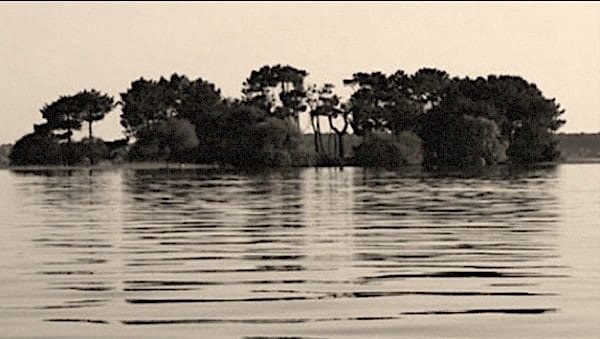
If you were stranded on this island, how long could you survive? This is the true story of cannibalism on Nazino Island.”
In early 1933, Soviet authorities launched a massive deportation campaign against “socially harmful and declassified elements” following the reintroduction of the passport system in 1932-1933. The OGPU (secret police) developed plans to deport up to 2 million people to remote eastern regions of the USSR to develop these territories.
On March 10, 1933, the Politburo approved a plan to create labor settlements in Western Siberia and Kazakhstan, with 500,000 people designated for each region. However, people were arrested indiscriminately on the streets, in public places, and at train stations – not only those without documents but also workers on their way to or from work.
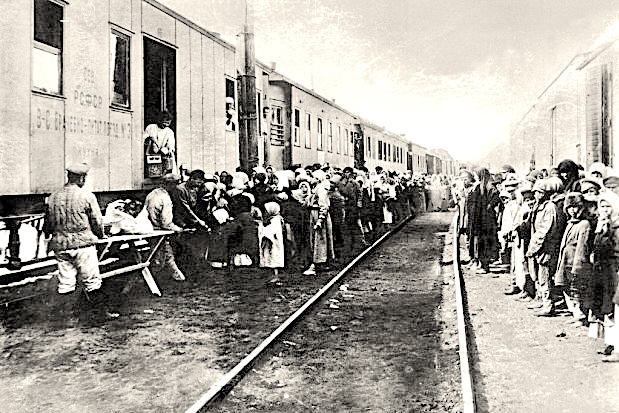
On April 20 and 30, 1933, two trains departed from Moscow and Leningrad carrying 6,144 people classified as “declassified elements” – including vagrants, beggars, prostitutes, criminals, and many completely innocent people caught up in the sweeps.
After arriving in Tomsk, commandant Kuznetsov loaded approximately 4,900 people onto two barges completely unsuited for human transport, equipped only with toilets and water barrels, with a partition separating men from women. People were kept inside the barges throughout the entire journey without being allowed on deck to breathe fresh air.
The first group of 5,917 people was deposited on the uninhabited island opposite Nazino village on May 19, 1933. The island had no tools, no buildings, no seeds, and not a crumb of food. On the second day after arrival, May 19, snow fell, wind picked up, and frost set in.
The deportees arrived already exhausted and without proper clothing, many barefoot. Although it was still cold in Tomsk in May, especially at night, they received no clothing. Commandant Tsypkov decided the newcomers could provide for themselves, so they were left with only four tents for the weakest and sickest.