Physical Address
304 North Cardinal St.
Dorchester Center, MA 02124
Physical Address
304 North Cardinal St.
Dorchester Center, MA 02124

Chapter 1: The First Lesson
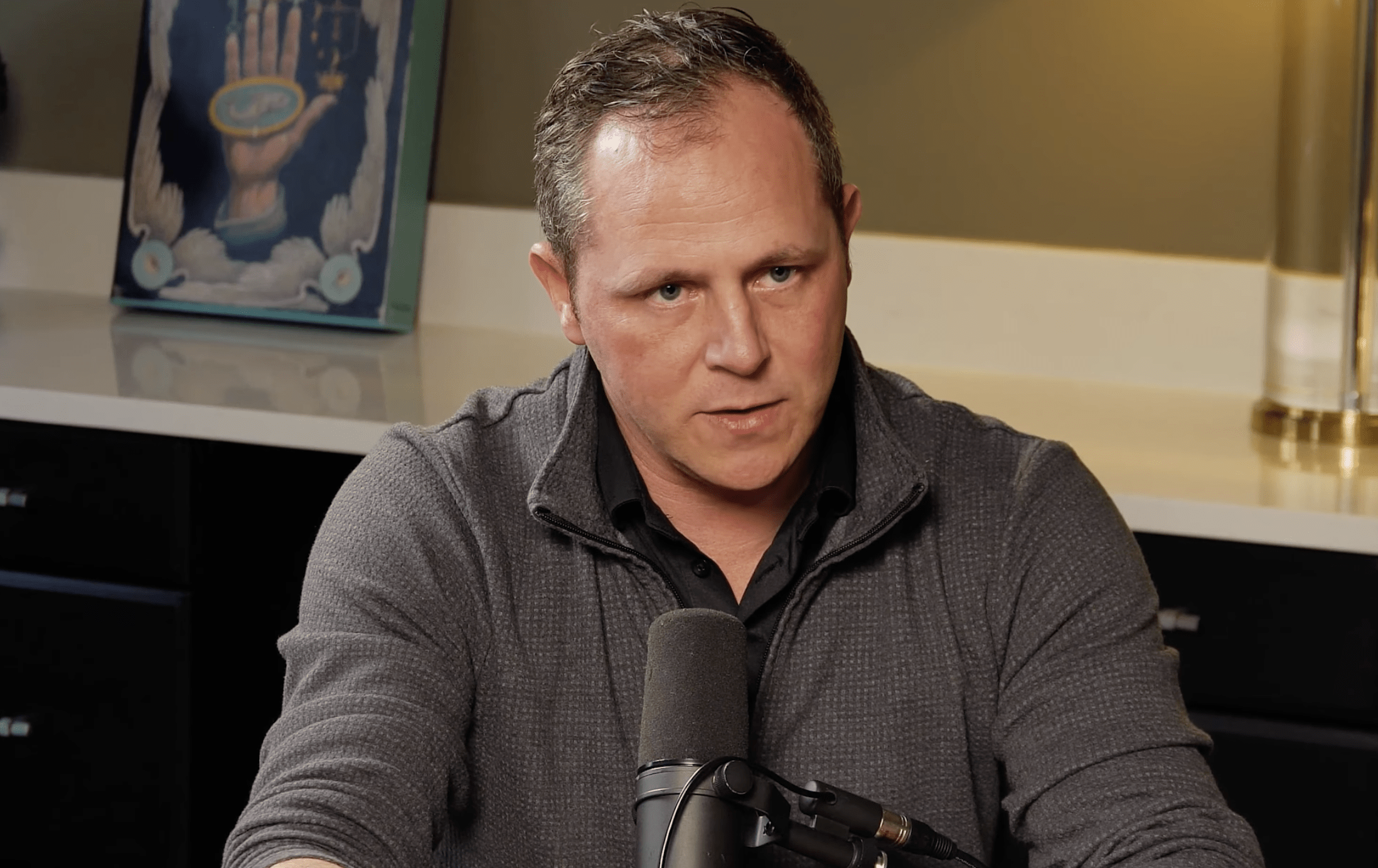
The podcast studio felt different tonight. Maybe it was the way the lights cast shadows
across Chase Hughes’s face, or maybe it was the weight of what he was about to
reveal. Jack leaned forward in his chair, unaware that in the next sixty seconds,
everything he thought he knew about free will would shatter.
“Chase,” Jack began, “on our last podcast, the viewers said that the moment you
started speaking, they couldn’t stop listening. How do you make someone focus
completely on your words?”
Chase’s lips curled into a knowing smile. “I’m already doing it to you right now.”
Jack blinked. “What?”
“Think of a really good movie,” Chase said, his voice dropping to a conversational tone.
“Anything.”
“Uh, Die Hard.”
“Perfect. Die Hard is one of those movies that people don’t think is a Christmas movie,
but it kind of is.” Chase’s eyes locked onto Jack’s, but his voice remained casual, almost
lazy. “I remember the first time watching Die Hard. It’s one of those times where you’re
sitting there and—” he paused, shifting seamlessly, “—now I’ve just shifted to you and
people don’t notice.”
Jack’s brow furrowed slightly, but Chase continued without missing a beat.
“Like, you didn’t notice that I shifted from ‘I’ to ‘you,’ right? So it’s one of those moments
where you’re just sitting there, you’re watching a movie, and all of a sudden, this one
thing gets super interesting and all your focus gets sucked up into this one thing. It’s like
the volume on everything else around you gets completely turned down and you just
completely zone in on something.”
Jack realized his hands had stopped moving. He was leaning forward now, hanging on
every word. When had that happened?
“What you just experienced,” Chase explained, “is called priming. When I talk about
something, you have to pull out your references—all of your files about that thing in your
own mental file cabinet. You can’t resist it. If I say ‘pink elephant,’ I’ve just created an
image in your head, involuntarily.”
Jack sat back, feeling like he’d just been shown a magic trick where the magician
revealed the secret mid-performance. “So you were pulling files out of my memory?”
“Not just pulling them out. Making them more accessible later. This is one of the most
powerful techniques that people don’t really understand.” Chase gestured subtly with his
hands as he spoke. “When your file clerk pulls out these files, he leaves them out on the
desk. That makes the memory way more accessible later on. So if I want to get you to
think that being really focused on something is your own idea, I’ll talk about when I
watched a show and how it captivated all of my attention.”
The implications hit Jack like a freight train. “This is what you teach the CIA?”
“Among other things,” Chase said simply. “But here’s what most people miss—if you
want someone to think an idea is their own, you have to make them feel clever for
coming up with that idea. Clever, not smart. Not that they agreed with you. They feel
clever on their own.”
Chapter 2: The News You Never Chose
“Let me show you how this works in the real world,” Chase continued. “Watch the news
tonight. You’ll see something like this: ‘Local woman is reported missing. She’s been
missing now for 24 hours. Witnesses say that before she was missing, they saw her
arguing with her boyfriend. Details at 11.'”
Jack nodded. “Okay, so what?”
“What did your brain do just now?”
Jack thought about it. “I… I assumed the boyfriend did it.”
“Exactly. Your brain made that conclusion because they put two pieces of evidence in
front of you. So when you think ‘I bet the boyfriend did it,’ you’re not saying ‘I agree with
the news.’ You’re saying ‘I’m coming up with my own idea.’ That’s the goal. Get two
pieces of data, put them close enough together, and let you reach out and click these
pieces together. You’re not giving the answer—you’re making them think it was their
own idea.”
Jack felt a chill run down his spine. “So… everything on the news…”
“The events are real,” Chase said, his voice taking on an edge. “The story behind them
are almost never real. You see something happen on the news, you see something
happen in your life, and you just have one word—just memorize this one word when you
hear that stuff or see that stuff.”
“What word?”
“Maybe.” Chase let the word hang in the air. “Just maybe. They say, ‘Oh, this happened
today because of this one thing.’ Maybe. You don’t have to say there’s some global
cabal. You don’t need to drill down and break into the Bohemian Grove. Just maybe.
That word can protect you from so much of the shit that’s going on with engineered
reality.”
Jack realized he’d been nodding along unconsciously. He forced himself to stop. “How
do you know if you’re in the middle of a psychological operation?”
Chase’s expression darkened. “I would just assume 24/7 that we are. But there are
signs. Matching narratives across media outlets. Celebrity influencers all saying the
same thing on social media—that should terrify you to the deepest part of your core.
And number three: if you’re seeing people silenced or ostracized for disagreeing with an
idea.”
“Like during the pandemic?”
“Exactly. Harvard-educated medical doctors were kicked off social media for
disagreeing with the mainstream narrative. The guy who invented mRNA vaccines got
ostracized. If an idea requires suppression to exist, it’s a horrible idea and it’s most likely
a psyop. Good ideas don’t need to suppress other people. Good ideas travel on their
own.”
Chapter 3: The Divide
Jack watched as Chase’s demeanor shifted. The casual confidence gave way to
something more urgent, almost desperate.
“Here’s what people need to understand,” Chase said, leaning forward. “I’ve studied
psyops for a very, very long time. I train psyops. And the fastest way to engineer
behavior in a country is to destabilize the nation. And the fastest way to destabilize a
nation is to make people stop trusting their neighbors.”
“Is that what’s happening now?”
“Look at your social media feed. If you’re on the left, you’re being shown the stupidest
dumbasses on the right that could possibly exist. And if you’re on the right, you scroll
through your feed and you’re going to see the absolute morons on the left. They’re
going to show you the most crazy psycho people possible over and over and over until
you say ‘These people are insane. All of them are absolute idiots.'”
Chase’s voice rose with intensity. “But walk into a Walmart. You’re going to see people
that voted in a way that you didn’t vote. And they’re not screaming. They’re not psycho.
They probably want the same things that you do. They want to feed their kids. They
want to pay lower taxes. They want to feel safe in their own home. They want to come
home at the end of the day and put their feet up.”
Jack felt something crack open in his chest. He thought about the comments section on
his videos, the hatred, the vitriol.
“You have more in common,” Chase continued, “with all those people that didn’t vote
the way you voted than some billionaire elite that’s influencing media narratives. Even if
that billionaire votes the same way you do, you still have more in common with that
person that voted the other way.”
“So the hatred…”
“Is engineered. It is not real. And it’s very difficult for people to admit that ‘I have been
manipulated.’ I can tell you as the psyops dude, the mind control guy—I am as
vulnerable as everyone else. This watch I’m wearing came from an Instagram ad. I’m
not immune to any of this stuff.”
Chase’s eyes locked onto Jack’s with an intensity that made the room feel smaller. “The
moment that you think ‘Oh, not me. I’m not vulnerable to that,’ you become the most
vulnerable person in the room.”
Chapter 4: The Final Truth
As the interview wound down, Jack found himself thinking about everything they’d
discussed. The manipulation techniques. The engineered reality. The algorithms
designed to divide us.
“If all your books, videos, tweets were erased from the internet forever,” Jack asked
quietly, “and all you had were the next sixty seconds, what’s the one truth about
humans that you would leave to the world?”
Chase was quiet for a long moment. When he spoke, his voice was soft, almost tender.
“You’re supposed to enjoy it. It’s supposed to be a game. Nothing is a big deal.”
Jack felt tears prick at his eyes. After everything—all the manipulation techniques, the
psychological operations, the engineered realities—it came down to something so
simple.
Life is a game. And we’re all just supposed to play.
Epilogue
That night, Jack lay in bed, unable to sleep. His phone sat on the nightstand, dark and
silent. He thought about deleting his social media apps. He thought about the
algorithms, feeding everyone just enough outrage to keep them scrolling.
He thought about the person who voted differently than him in the checkout line at the
grocery store. What did they want? Probably to feed their kids. Pay lower taxes. Feel
safe. Come home and put their feet up.
The same things he wanted.
Jack picked up his phone. Opened X. His feed loaded. The first post was a video of
someone on the opposite political side saying something inflammatory.
Maybe.
He scrolled past it. The next post was about some scandal, some outrage, some reason
to be afraid or angry.
Focus. Authority. Tribe. Emotion.
He could see it now. The pattern. Up, down, up, down, until he was suggestible enough
to click.
Jack closed the app. Set the phone down. Stared at the ceiling in the dark.
The hardest part, Chase had said, was admitting you’ve been manipulated. Admitting
“This isn’t me. This is an engineered reality version of me.”
Jack took a breath. Admitted it to himself in the silence of his bedroom.
And for the first time in months, he felt free.