Physical Address
304 North Cardinal St.
Dorchester Center, MA 02124
Physical Address
304 North Cardinal St.
Dorchester Center, MA 02124

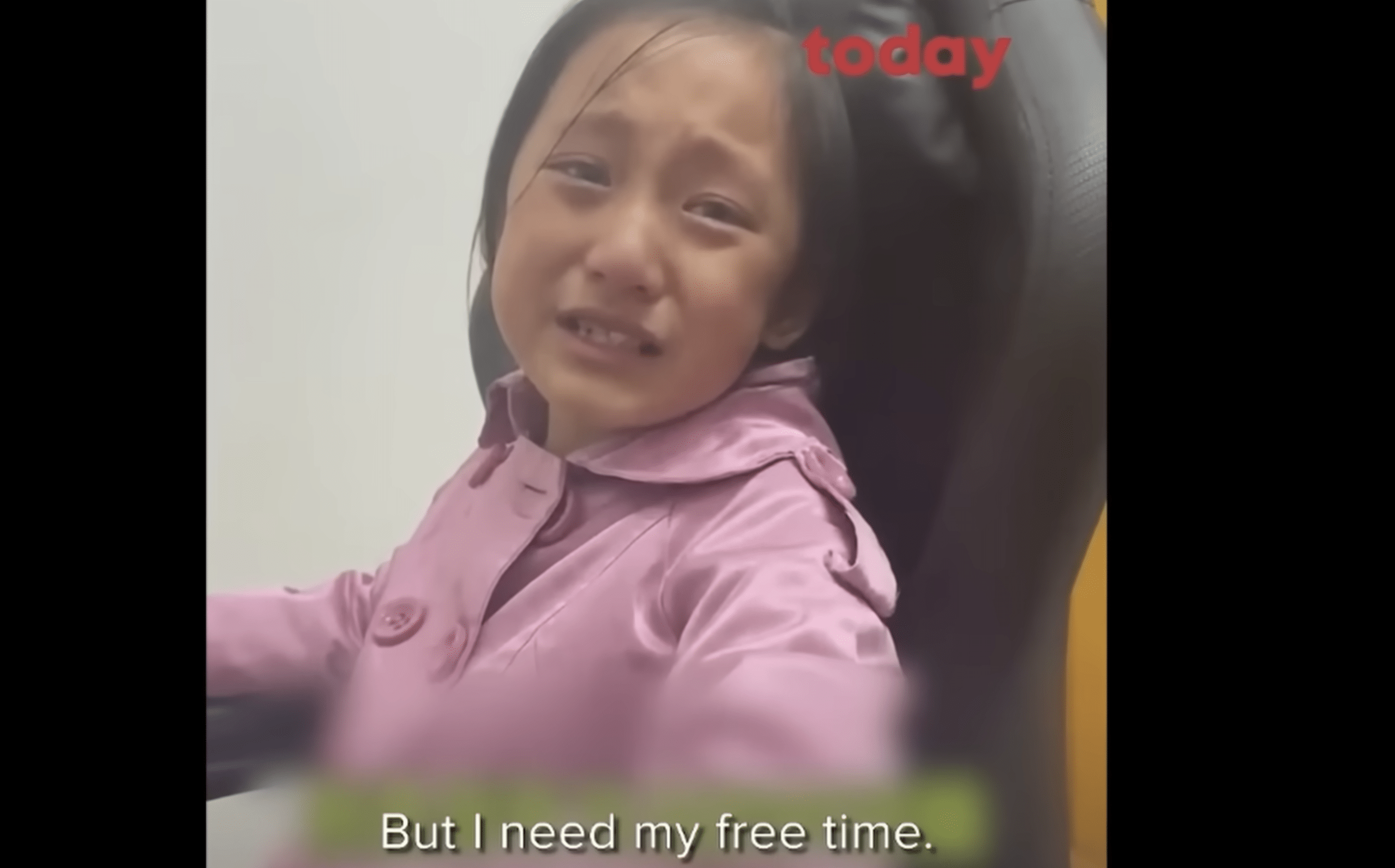
Education across Asia is in crisis, but the nature of that crisis varies dramatically. In East Asia, children suffer under extreme academic pressure that drives them to suicide. In South Asia, millions never see a classroom at all. In Southeast Asia, children attend school but fail to learn even basic skills. Behind every statistic are real children whose lives have been documented by researchers, journalists, and human rights organizations.
This report presents verified evidence, real cases, and authentic statistics from credible sources.
Lü Pin’s Story (2011) On June 7, 2011, 18-year-old Lü Pin jumped from his sixth-floor dormitory window on the first day of the gaokao (college entrance exam) in Longhui township, Hunan Province. Police received the call at 8:57 AM, three minutes before the exam was scheduled to start at 9:00 AM. Lü had suffered from psychological issues in the month prior to the exam and had taken a one-month leave from school. His parents persuaded him to take the exam despite his condition. When his teacher went to search for him in the dormitory that morning, he discovered the boy about to jump.
The 2010 Triple Tragedy In 2010, three separate deaths of gaokao takers were reported in Hubei and Jiangsu provinces on the first day of the exam. A male student who had failed the exam before jumped to his death from the top of a 12-story hospital building at about 7 AM in Guangshui, Hubei Province. Also that same morning, a female student died in Ezhou city. These deaths highlighted the tremendous pressure that young examinees bear during China’s most intense academic test.
The 2013 Post-Exam Suicides In June 2013, four middle school students killed themselves after receiving poor scores on the gaokao: two from Liaoning province, one from Hubei province, and one from Sichuan province. A 20-year-old student in Chongzhou, Sichuan, drank pesticide and died after finding out her scores were not high enough to allow her to enter college. A student surnamed Yu from Liaoning left his home shortly after the end of the exams and his body was retrieved from a river days later. His mother later stated: “My son bore too much pressure. I always asked him to learn from excellent students.”
The Bengbu Student’s Letter (2025) In April 2025, an 18-year-old girl from a top high school in Bengbu, Anhui province, killed herself, leaving behind a heart-wrenching suicide note written on the back of school test sheets. In her letter, she wrote about the pressure she felt to do well and said she had been broken by relentless exams, particularly in math and physics. She wrote: “I cannot bear how you meticulously checked the scores of all the examinations and tests. I cannot bear how my scores appeared frequently in the text messages between you and your friends and relatives. But then you were afraid that I might see them and you secretly deleted them afterwards.” She had been so stressed that she could not eat the day before an exam.
Research Findings: A systematic review of graduate student suicides in China found 150 cases reported from 2000 to 2019. Among these students, 65.8% were male, nearly half were between 26 and 30 years old, and 43.4% committed suicide in their graduation year or postponed years. The top three suicide methods were jumping, hanging, and drowning. Graduation pressure, depression, and academic pressure were the three leading suicidal causes.
According to the 2014 Annual Report on China’s Education (the Blue Book of Education), published by the 21st Century Education Research Institute, nearly all of the 79 student suicide cases analyzed in 2013 were associated with the heavy burden of exam pressure. The report found that 63% of the suicides examined took place between February and July, when students take important tests such as the high school and college entrance exams.
A 13-year-old boy from Nanjing in Jiangsu province hanged himself in May 2013 after he failed to finish his homework.
Academic Findings: A 2025 study analyzing 130 suicide cases in China’s scientific community from 1992 to 2024 found that suicide numbers among Chinese academics have increased over time, with jumping from heights identified as the predominant method. The causes were multifaceted, with academic pressure being a primary factor.
Study Hours and Mental Health Crisis: The average South Korean high school student spends roughly 16 hours a day on school and school-related activities. Students attend after-school programs called hagwons, and there are over 100,000 of them throughout South Korea, making them a $20 billion industry. Although South Korean education consistently ranks near the top in international academic assessments such as PISA, the enormous stress and pressure on students is considered by many to constitute child abuse.
Suicide Rates Among Students: Over a 5-year period, the number of suicides or self-inflicted injuries increased from 4,947 in 2015 to 9,828 in 2019, with most cases involving people aged between 9 and 24. Parliament member Kang Byung-won announced that “26.9 young South Koreans either attempt suicide or suffer self-inflicted injuries per day.”
In 2023, the number of suicides in South Korea was highest among high school students, with 4,148 reported cases. Suicides were also high among those enrolled in university or higher education institutions.
Academic Stress as Primary Cause: A nationwide study found that academic stress primarily contributed to suicide, accounting for 12% of adolescent suicide deaths. As of 2020, 27% of adolescents in Korea experienced suicidal ideation, and 40% reported that it was due to academic stress. In 2022, 20.3% of middle school and high school students had suicidal ideation because of anxiety about their futures and careers.
One study reported that 26.7% of adolescents who perceived their academic performance as poor had suicidal ideation within the past year, and 9.2% had attempted suicide, compared to those who perceived theirs as excellent (16.2% and 3.8%, respectively).
The Deepening Mental Health Emergency: The percentage of elementary students getting sufficient sleep dropped from 56.68% in 2019 to just 51.95% in 2023. The proportion of first-year middle school students identified as at risk for suicide increased from 2.1% to 2.4%, and suicide attempts among all middle schoolers surged from 3.66% to 5.99% in just three years.
According to Statistics Korea, the suicide rate among teens reached 7.9 per 100,000 people in 2023, the highest on record. While suicide rates for most other age groups have fallen since 2011, the rate for teens has climbed from 5.5 to 7.9.
The Busan Tragedy (2025): In June 2025, three art high school students in Busan, all aspiring dancers, died in what authorities suspect was a group suicide. They left behind a message citing the emotional toll of academic and career-related stress. In 2022, two high school sophomores in Incheon died by suicide after leaving a letter describing the agony of academic pressure.
Education Starting in Preschool: Nearly 47.6% of South Korean children under six are enrolled in private “cram” schools, with one in four toddlers under two already attending such hagwons. There is now a growing trend of “7-year-old exams” and even “4-year-old exams,” especially in Seoul’s affluent Gangnam district, designed for preschoolers aiming to enter elite English academies. There are “elementary school pre-med tracks” and “special-purpose high school prep classes” for children barely out of kindergarten.
Educational Outcomes vs. Wellbeing: South Korea now ranks 27th out of 36 OECD countries in child well-being, with alarmingly low scores in mental health and life satisfaction. In the 2022 PISA assessment, Korean students ranked 1st to 2nd in mathematics, 1st to 7th in reading, and 2nd to 5th in science among OECD countries, yet their psychological wellbeing is among the worst.