Physical Address
304 North Cardinal St.
Dorchester Center, MA 02124
Physical Address
304 North Cardinal St.
Dorchester Center, MA 02124

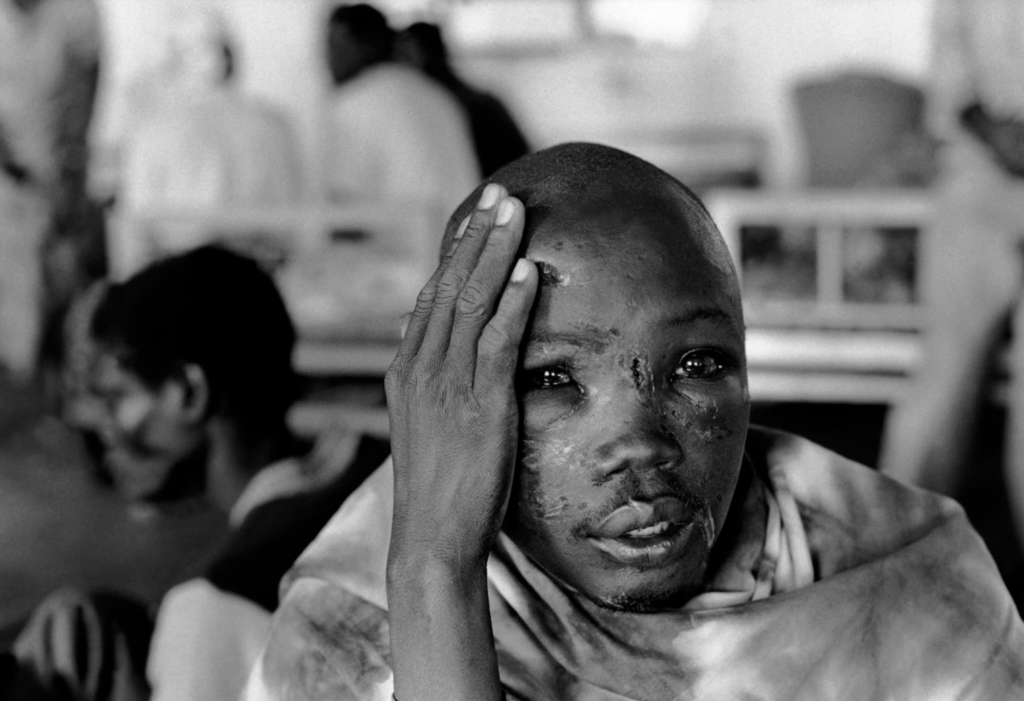
In the early 1990s, Rwanda was a small, densely populated country in East Africa where two main groups lived together: the Hutu majority (about 85%) and the Tutsi minority (about 14%). These labels had been hardened during Belgian colonial rule, which favored Tutsis and issued identity cards marking ethnicity—divisions that would later be weaponized.
The Voice of Hate
In July 1993, a radio station called Radio Télévision Libre des Mille Collines (RTLM) began broadcasting in Kigali. Unlike the state-run station, RTLM played popular music and used casual, entertaining language. But woven between the songs were messages of hate.The station’s hosts—educated men and women, journalists and intellectuals—called Tutsis “inyenzi” (cockroaches) and “snakes.” They told listeners that Tutsis were planning to enslave Hutus, that they were the enemy within. Day after day, month after month, the broadcasts normalized hatred. People listened in their homes, in their cars, in shops and bars across the country.One of the most notorious broadcasters was Georges Ruggiu, a Belgian, and Valérie Bemeriki, who became known as the “nightingale of genocide” for her cheerful voice urging murder.
On April 6, 1994, President Juvénal Habyarimana’s plane was shot down over Kigali. Within hours, RTLM began broadcasting that Tutsis were responsible. The station became a tool for coordinating the slaughter—announcers read out names and addresses of people to be killed, directed killers to where Tutsis were hiding, and praised those who participated in the violence.Ordinary neighbors turned on each other. Husbands killed wives. Teachers killed students.
People’s Stories
**Immaculée Ilibagiza**, a young college student, hid in a tiny bathroom with seven other women for 91 days. The bathroom was only 3 feet by 4 feet. They stood in silence as killers searched the house repeatedly. Through a window, she could hear RTLM broadcasting, calling for people to “finish the work” and “cut down the tall trees” (a reference to Tutsis, who were stereotyped as taller). She survived, but lost most of her family.
**Paul Rusesabagina**, a hotel manager, sheltered over 1,200 Tutsi and moderate Hutu refugees in the Hôtel des Mille Collines. He used his connections, bribes, and constant negotiation to keep the killers at bay while RTLM broadcasts outside called for their deaths.
**Felicité**, a Hutu woman, hid her Tutsi husband in the ceiling of their home. When militiamen came looking for him, she lied and said he had fled. Every day, she heard the radio calling her a traitor for protecting a cockroach. After weeks of hiding, he was discovered and killed with a machete in front of their children.
**Jean-Baptiste**, a Hutu farmer, was handed a machete by local authorities and told it was his duty to kill. He later described feeling like he was in a trance, swept up in the collective madness. “The radio said we were defending ourselves,” he said. “Everyone was doing it. If you refused, you were called an accomplice and killed yourself.” He murdered three of his neighbors, including a woman he had known since childhood.
The killing was intimate and brutal. Most victims were murdered with machetes, clubs studded with nails, or farming tools. Families were killed together. Churches where people sought sanctuary became slaughter sites—some priests even participated in the murders.At roadblocks throughout the country, militias checked identity cards. If it said “Tutsi,” you were killed on the spot. Some Hutus who looked Tutsi or who tried to protect their neighbors were also murdered.Women and girls were systematically raped—estimates suggest between 250,000 and 500,000 were sexually violated, often before being killed. Many were infected with HIV deliberately as a “slow death.”Children were not spared. Some were killed in front of their parents. Others were forced to kill their own family members to save themselves.
The genocide lasted 100 days. The Tutsi-led Rwandan Patriotic Front (RPF), a rebel group led by Paul Kagame, fought its way into the country from Uganda. As they advanced, they stopped the killing in each area they captured. By mid-July 1994, the RPF had taken control of the country.Between 800,000 and 1 million people had been murdered—approximately 75% of the Tutsi population in Rwanda. Moderate Hutus who opposed the genocide were also killed.Two million Hutus, including many génocidaires (those who committed genocide), fled to neighboring countries, particularly to refugee camps in what is now the Democratic Republic of Congo.
RTLM’s broadcasters were later tried at the International Criminal Tribunal for Rwanda. In 2003, several were convicted of genocide and incitement to genocide—the first time in history that media professionals were convicted for their role in genocide.Georges Ruggiu was sentenced to 12 years. Ferdinand Nahimana, RTLM’s founder, received life imprisonment (later reduced to 30 years). Valérie Bemeriki was sentenced to life in prison by Rwandan courts.Rwanda today has banned any reference to Hutu and Tutsi in official contexts, trying to forge a single Rwandan identity. But the trauma remains. Survivors live next door to perpetrators who have been released from prison. Every April, during genocide commemoration week, the country relives the horror.The story of RTLM is a chilling reminder: words matter. Media matters. When propaganda dehumanizes people as less than human—as cockroaches, as vermin—it becomes possible for ordinary people to commit extraordinary evil. And once the killing starts, the line between victim and perpetrator, between humanity and barbarity, can dissolve in a matter of days.